What is Task Management? A Simple Framework to Get Your Tasks Under Control
Learn what task management is, why it matters, and how to manage tasks effectively with practical steps and examples for individuals, teams, and businesses.
Staying on top of tasks can be overwhelming, especially with multiple responsibilities. Whether it’s personal goals, work projects, or leading a team, staying organized is essential for getting things done.
Task management helps you regain control by breaking down big goals into manageable steps, prioritizing what matters most, and tracking progress without stress. Mastering task management allows you to hit deadlines, reduce stress, and achieve more with less effort.
In this blog, we’ll explain why task management is so important, the core elements that make it effective, and simple strategies to improve your productivity. Let’s get started!
What is Task Management?
Task management is the process of organizing, prioritizing, and tracking tasks to ensure they are completed on time and efficiently. It involves breaking down larger goals into smaller, more manageable steps, assigning responsibilities, and setting deadlines. Whether you’re handling personal tasks, managing projects, or leading a team, task management helps you stay focused, reduce stress, and achieve your goals with greater ease.
Effective task management allows you to see clearly what needs to be done, who is responsible for each task, and when things are due. This structure helps ensure nothing falls through the cracks and that work is completed on schedule.
Difference between Project Management and Task Management
While both project management and task management are essential for achieving goals, they focus on different aspects of the work:
- Task Management is about organizing, prioritizing, and tracking individual tasks. It’s the day-to-day management of smaller, actionable steps needed to achieve larger goals. Task management is often used for personal to-do lists, work assignments, and team responsibilities. It ensures that each task is completed efficiently and on time.
- Project Management, on the other hand, is broader and more strategic. It involves planning, organizing, and overseeing an entire project, including its resources, timeline, and milestones. Project management ensures that all tasks and teams work together to achieve the project’s larger goals and objectives.
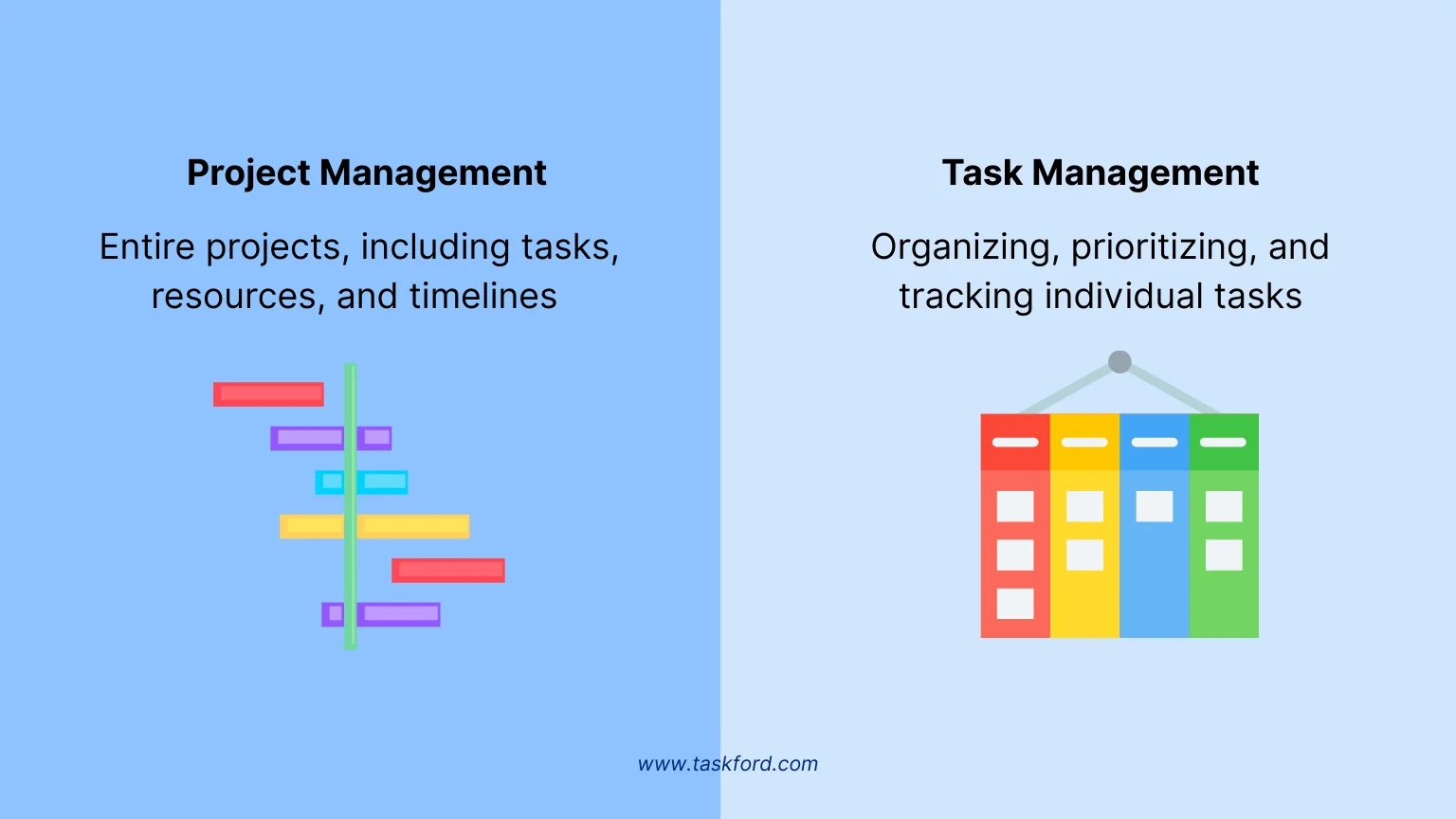
Here’s a table comparison highlighting the key differences between Project Management and Task Management:
| Aspect | Task Management | Project Management |
|---|---|---|
| Focus | Individual tasks | Entire projects, including tasks, resources, and timelines |
| Scope | Short-term, smaller tasks | Long-term, larger projects with multiple phases |
| Goal | Completing tasks efficiently | Successfully delivering the project |
| Timeframe | Short-term deadlines | Long-term project deadlines |
| Tools | Task management apps (e.g., Asana) | Project management software (e.g., Trello, Jira) |
| Responsibility | Assigned to individuals or teams | Managed by a project manager overseeing all tasks and resources |
Why Task Management Matters
Effective task management is crucial for maintaining organization, focus, and productivity. Here’s why it matters:
- Improves Efficiency: By organizing tasks and setting clear priorities, task management helps you focus on what needs to be done, reducing time wasted on less important activities.
- Reduces Stress: With a clear plan in place, task management helps you break down big goals into smaller, manageable steps. This reduces overwhelm and allows you to tackle tasks one at a time.
- Increases Accountability: Task management ensures that everyone knows their responsibilities and deadlines, which helps improve accountability and reduces the chances of tasks falling through the cracks.
- Enhances Time Management: Setting deadlines and tracking progress ensures tasks are completed on time. It helps you with time allocation effectively and avoids last-minute rushes.
- Improves Communication: When tasks are clearly assigned and tracked, team members stay aligned on responsibilities and progress. This reduces confusion and enhances collaboration.
Task management is a powerful tool that can make a huge difference in your productivity, helping you achieve more with less stress. Whether for personal use or managing a team, it’s the foundation of getting things done efficiently.
Core Elements of Task Management
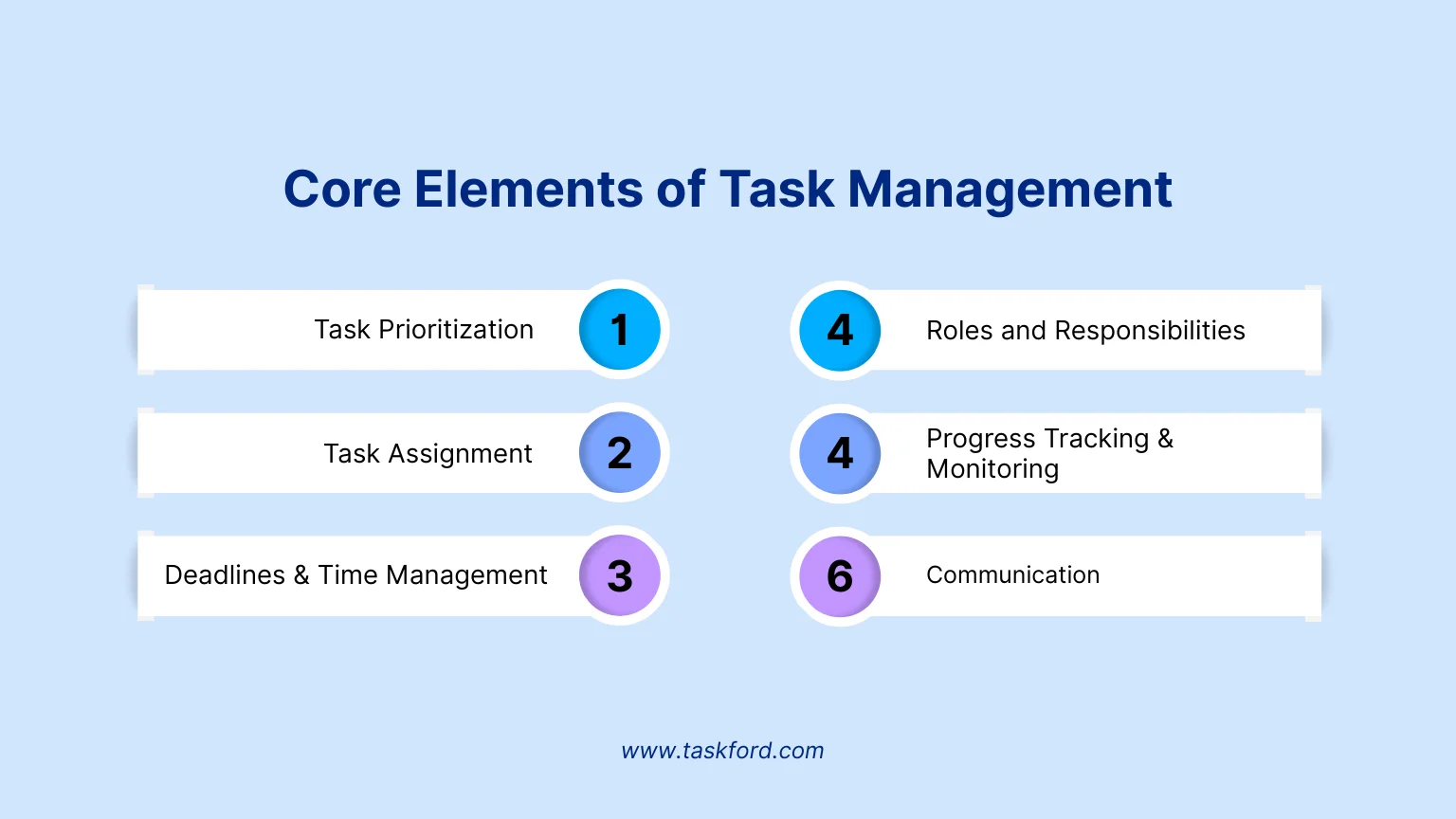
Effective task management relies on several key elements that help you stay organized, meet deadlines, and work efficiently. Here are the core elements of task management:
1. Task Prioritization
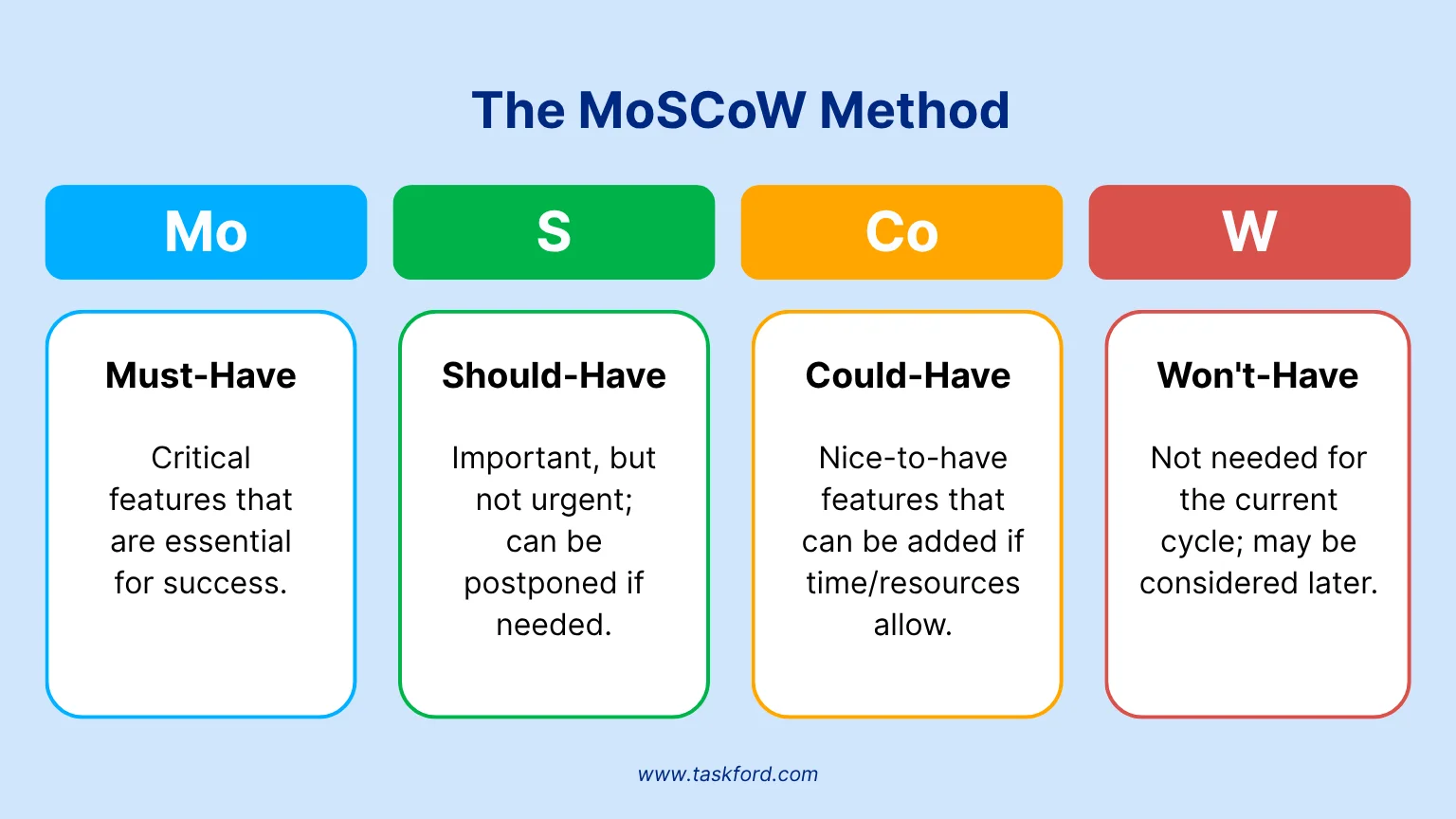
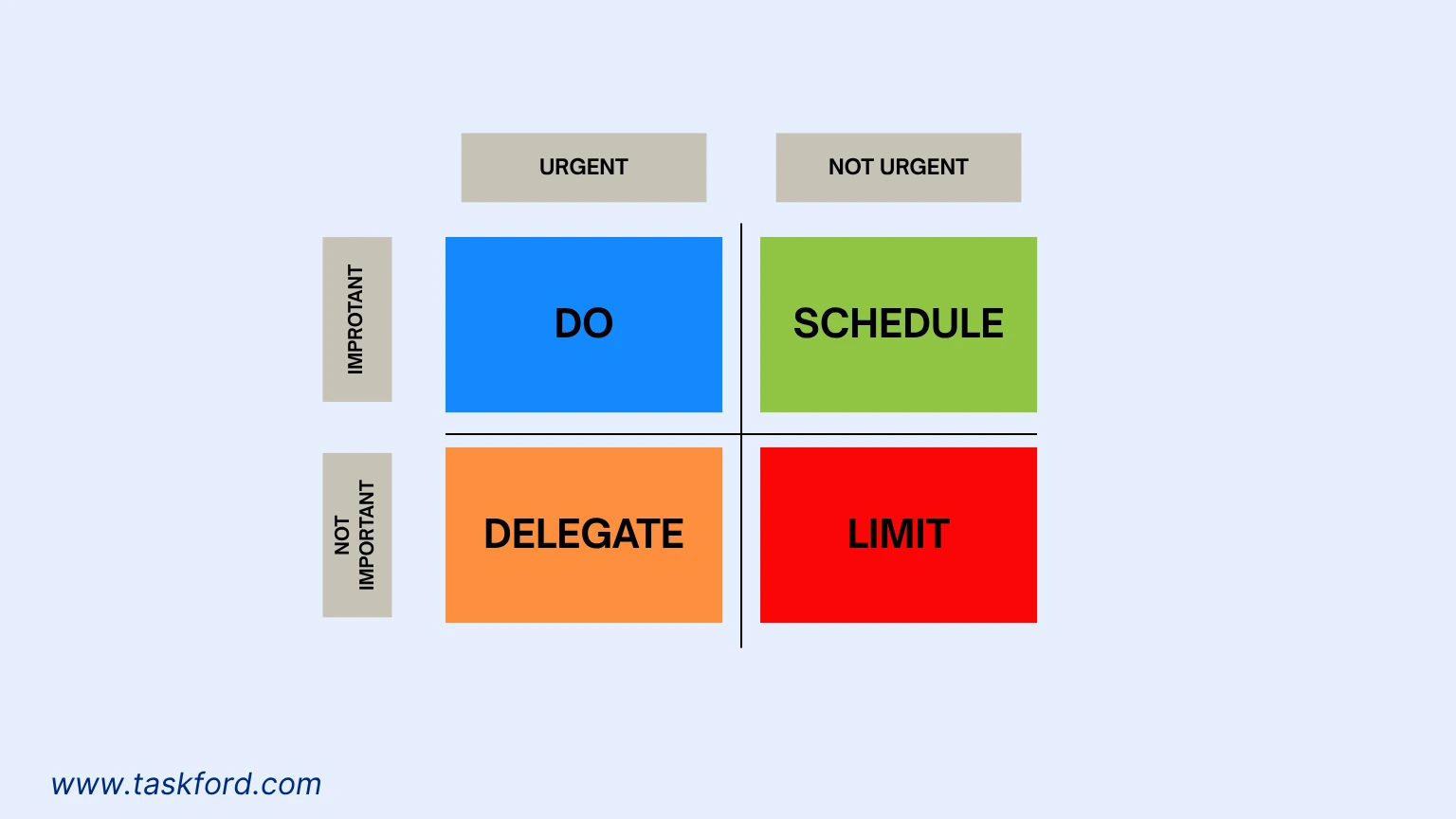
Prioritizing tasks is crucial to focus on what matters most. It helps you determine which tasks should be tackled first based on urgency and importance. Using frameworks like the Eisenhower Matrix (urgent vs. important) or the MoSCoW Method (Must-have, Should-have, Could-have, Won’t-have) allows you to rank tasks accordingly.
By prioritizing, you ensure you’re not wasting time on less important activities and can focus on high-impact tasks that drive better results.
Read also: Time Management Matrix: The Framework Your Focus Should Follow
2. Task Assignment
Clear task assignment is essential for accountability and reducing confusion. Tasks should be assigned based on each team member’s strengths, skills, and current workload. This ensures everyone knows their responsibilities, helping avoid overlap or missed tasks.
When assignments are clear, it enhances efficiency, ensuring that tasks are completed without delays or misunderstandings.
3. Deadlines & Time Management
Setting realistic deadlines helps keep tasks on track and prevents procrastination. Breaking larger tasks into smaller, manageable steps with deadlines for each ensures steady progress.
Time management techniques, like time-blocking, help you allocate specific periods of your day to focus on tasks, minimizing distractions, and optimizing productivity. It helps keep momentum going and tasks on schedule.
4. Task Dependencies
Certain tasks rely on others to be completed first. Recognizing task dependencies is key to ensuring tasks are done in the correct order, which prevents delays and bottlenecks.
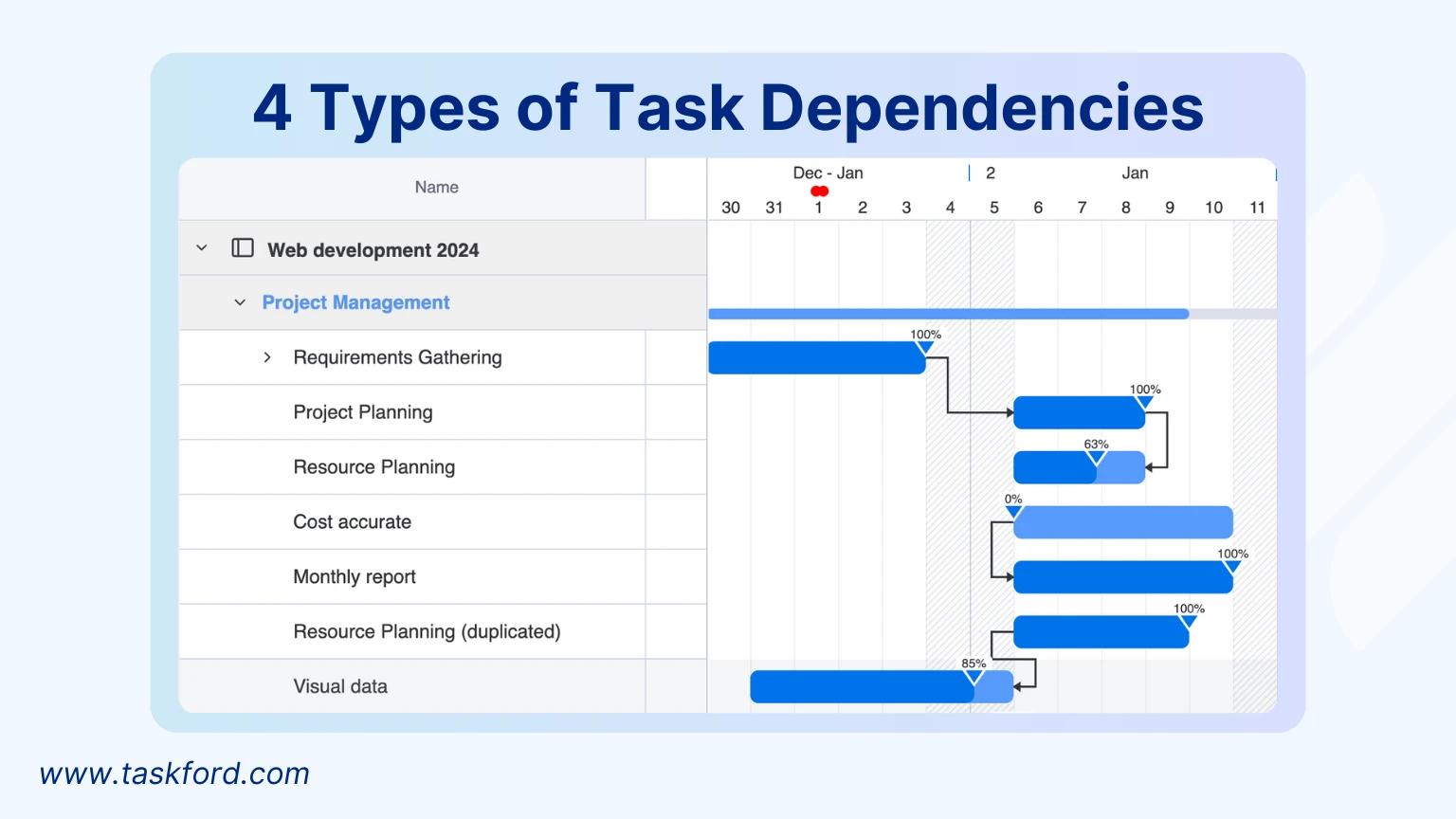
For instance, you can’t test a product until the development phase is complete. Managing task dependencies ensures a smooth flow, keeping the project on track and meeting milestones.
5. Progress Tracking & Monitoring
Tracking progress regularly helps you stay on top of tasks and meet deadlines. Monitoring task completion allows you to spot delays early and take corrective action before minor issues escalate.
Keeping a close eye on progress ensures you can adjust resources, shift priorities, and keep work moving forward as planned.
6. Communication
Clear, open communication is vital to effective task management. It keeps everyone aligned on responsibilities, deadlines, and any changes that might arise.
Regular updates and check-ins help prevent misunderstandings, allowing team members to stay informed about task status and any potential issues. Open communication fosters collaboration, ensuring tasks are completed smoothly.
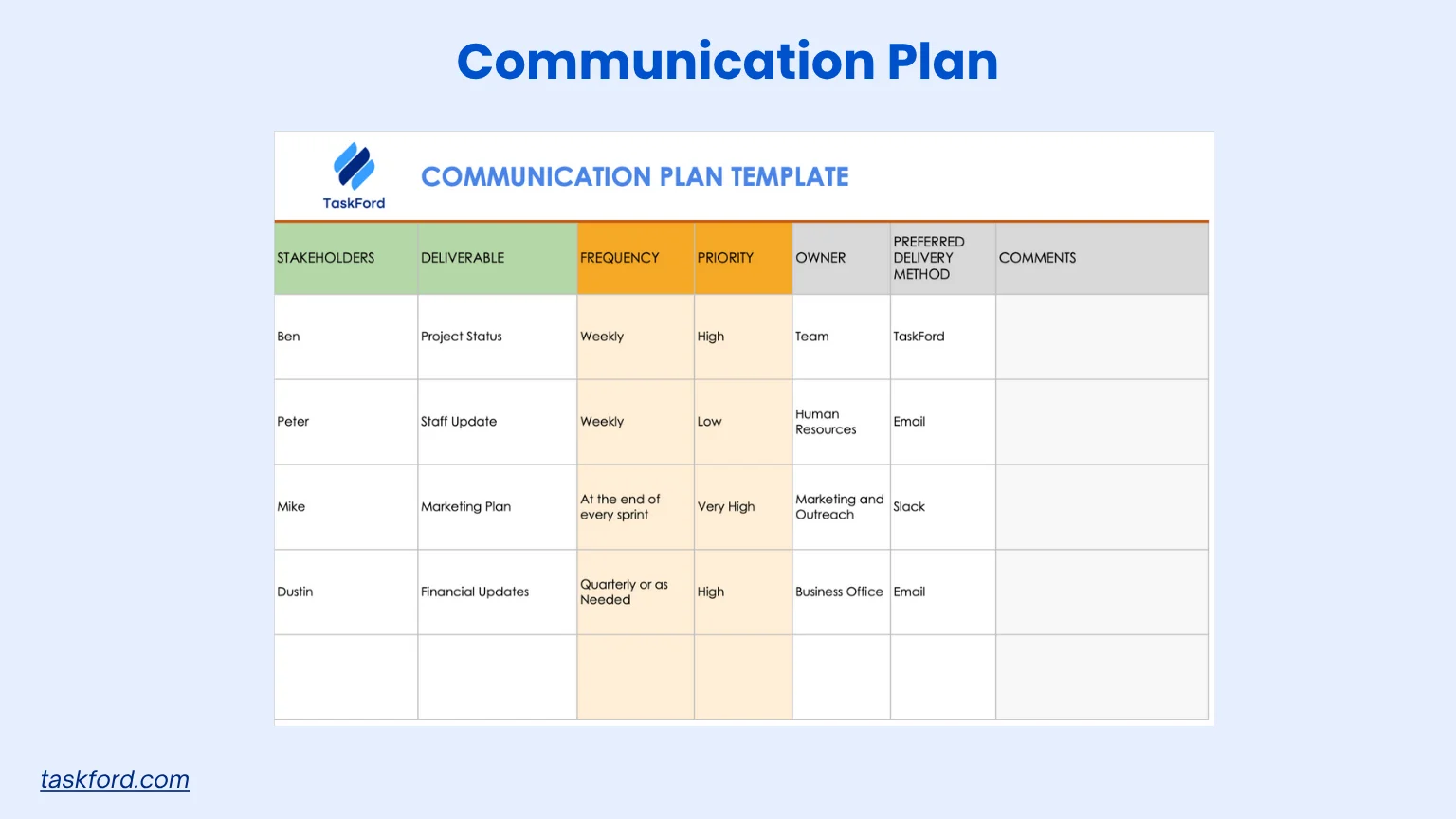
By focusing on these core elements—prioritization, assignment, deadlines, dependencies, tracking, and communication—you can improve efficiency, reduce stress, and increase productivity across projects, teams, and personal tasks.
Read also: How to Write an Effective Communication Management Plan
Examples of Task Management
Personal Task Management
In personal task management, the focus is on managing your own to-do list and daily activities. This involves:
- Prioritizing tasks based on urgency and importance (e.g., using the Eisenhower Matrix to distinguish between urgent and non-urgent tasks).
- Breaking down larger goals into smaller, manageable actions (e.g., breaking a “Write a book” goal into writing chapters and research).
- Using time-blocking to allocate time for specific tasks, ensuring that everything from work assignments to errands is completed on time.
For example, if you have a busy day, you might prioritize work tasks like answering emails before personal tasks like going grocery shopping, ensuring you stay on track and reduce procrastination.
Team Task Management
In team task management, the focus shifts to organizing and assigning tasks among a group to achieve a collective goal. Key aspects include:
- Assigning tasks to team members based on their expertise, ensuring clear ownership and accountability.
- Setting deadlines for team-wide goals and breaking those down into individual tasks with specific deadlines.
- Tracking progress through regular check-ins or task management systems to ensure that everyone is on track and there’s no overlap.
For instance, in a marketing team working on a product launch, one person might be assigned to handle social media promotion, another to create content, and someone else to manage the schedule, with deadlines for each task to ensure the launch is successful.
Business Task Management
Business task management involves overseeing day-to-day operations, such as client management, administrative duties, and other business functions. The key is keeping everything organized to ensure smooth operations. This includes:
- Task delegation to the right person (e.g., assigning customer service tasks to the support team, while the marketing team focuses on campaigns).
- Tracking progress on business operations like invoicing, follow-ups, and administrative tasks
- Setting deadlines for recurring tasks, such as monthly reports, client follow-ups, or team meetings, ensuring they are completed consistently.
For example, a small business owner might track inventory management tasks, assign follow-up emails to clients, and schedule regular marketing reviews to ensure ongoing business success.
Project Task Management
In project task management, the focus is on organizing tasks across a project or initiative with a clear start and end date. Key elements include:
- Breaking down the project into phases and assigning tasks for each phase (e.g., planning, execution, and evaluation).
- Identifying task dependencies, such as waiting for design approval before starting production or needing feedback from a client before proceeding with the next stage.
- Tracking progress across the project timeline to ensure all tasks are completed within the scope, time, and budget.
For example, in a website development project, tasks could be broken down into research, design, development, and testing phases, each with specific deadlines and dependencies. The project manager would monitor progress at each stage to ensure the project is completed on time.
Why Project Teams Need Task Management Tools
Task management tools are essential for project teams to stay organized, collaborate effectively, and meet deadlines. Here’s why they’re crucial:
- Centralized Tracking: Keeps all tasks in one place, ensuring nothing gets missed and everyone knows their responsibilities.
- Improved Collaboration: Facilitates communication, file sharing, and updates, helping teams stay aligned.
- Prioritization & Deadlines: Allows teams to set task priorities and deadlines, ensuring high-priority work gets done first.
- Task Dependencies: Helps manage tasks that rely on others, preventing bottlenecks and ensuring smooth progress.
- Real-Time Updates: Provides instant updates on task status, reducing the need for constant meetings and keeping everyone informed.
- Accountability: Clearly assigns tasks to individuals, promoting responsibility and quicker problem resolution.
- Time & Resource Management: Helps allocate resources efficiently, preventing team overload and ensuring balanced workloads.
Thus, task management tools optimize project workflows, boost collaboration, and ensure that deadlines are met with fewer errors.
Read also: Understanding Resource Allocation- Key Concepts for Project Managers
How to Manage Tasks in the Best Way
Managing tasks effectively requires a clear strategy and consistent approach. Here’s how you can manage tasks in the best way:
Step 1: Break Tasks Into Smaller Steps
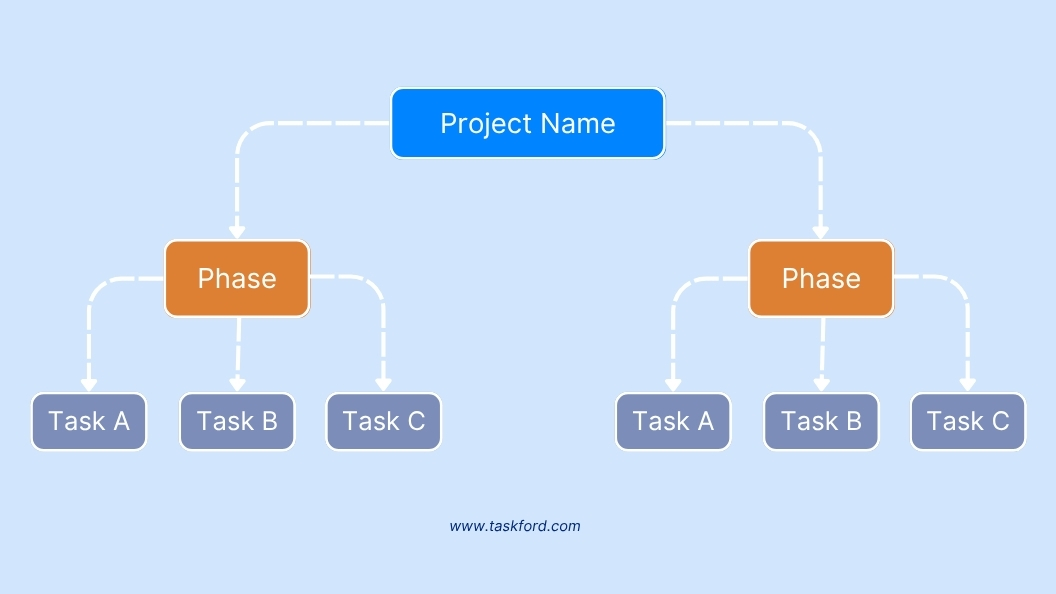
Start by breaking large tasks or projects into smaller, more manageable steps. This makes the work feel less overwhelming and helps you focus on one thing at a time.
For example, instead of “Write report,” break it into “Research,” “Outline,” “Draft,” and “Review.”
Step 2: Prioritize Tasks
Identify which tasks are most important and time-sensitive. Use prioritization methods like the Eisenhower Matrix (urgent vs. important) or the MoSCoW Method (Must-have, Should-have, Could-have) to rank your tasks. Focus on completing high-priority tasks first to make the most impact.
Read Also: How to Prioritize Work Efficiently Using Task Project Management
Step 3: Set Clear Deadlines
Assign realistic deadlines to each task, ensuring that you give enough time to complete them without rushing. Having clear deadlines helps you stay on track and avoid procrastination. Make sure to break larger tasks into time-bound chunks to maintain momentum.
Step 4: Delegate Tasks
Don’t try to do everything yourself. Assign tasks to others based on their skills and availability. This will ensure that the work is spread out and completed efficiently. Clearly define roles and responsibilities to avoid confusion and ensure accountability.
Step 5: Track Progress
Regularly check the status of your tasks to ensure they’re on track. Whether it’s through a task management tool or a simple to-do list, tracking progress helps you stay organized and spot potential delays early. If something is falling behind, you can adjust priorities and timelines accordingly.
Step 6: Review and Adjust
At the end of each day or week, review your progress. Are you meeting deadlines? Are any tasks consistently being delayed? Make adjustments to your approach as needed—whether it’s reprioritizing, changing deadlines, or improving your workflow.
Tips to Improve Task Management
Effective task management can significantly boost your productivity and reduce stress. Here are some practical tips to improve how you manage tasks:
- Tip #1 - Use the 2-Minute Rule If a task will take two minutes or less, do it immediately. This prevents small tasks from piling up and cluttering your to-do list.
- Tip #2 - Break Tasks Into Smaller Steps Large tasks can be overwhelming. Break them into smaller, manageable steps to make them feel less daunting and easier to tackle.
- Tip #3 - Prioritize Daily Tasks: Each day, identify the top 2-3 tasks that must be completed. This ensures you focus on what’s most important and avoid wasting time on less critical tasks.
- Tip #4 - Limit Multitasking: Multitasking can reduce efficiency and lead to mistakes. Focus on one task at a time to ensure you complete each one effectively and efficiently.
- Tip #5 - Set Clear, Achievable Deadlines: Assign realistic deadlines for each task to keep you on track and avoid procrastination. Make sure each task has a specific completion time to stay organized.
- Tip #6 - Stay Organized with a To-Do List: Keep an updated to-do list, and check off completed tasks. This simple habit keeps you organized and gives you a sense of accomplishment as you progress.
These simple tips can make a huge difference in managing tasks effectively, keeping you organized, and helping you achieve your goals.
Final Thoughts
Task management doesn’t have to be complicated. With clear priorities, manageable steps, and consistent tracking, you can stay organized and keep your workload under control. Whether you’re handling personal tasks or working with a team, these simple habits make it easier to stay on track, meet deadlines, and achieve your goals with confidence.
You May Also Like
- Work Task Tracker: What It Is and 5 Tools Worth Using in 2026
- Task Management for Managers: From Delegation to Collaboration - Explore Key Trends in 2026
- Recurring Tasks and How to Automate Your Work
Subscribe for Expert Tips
Unlock expert insights and stay ahead with TaskFord. Sign up now to receive valuable tips, strategies, and updates directly in your inbox.