Task Delegation's Trap: What Keeps Your Team From Feeling It Is Fair
Discover the leadership traps in task delegation and learn how to create fair, transparent, and balanced workloads that strengthen team trust and performance.
Every leader has felt that subtle shift in the room: you assign what seems like a simple task, yet someone goes quiet, another forces a smile, and the energy changes. The issue often isn’t the work itself but how task delegation is perceived in the moment.
This article will uncover the leadership traps in task delegation and show you how to create fair, transparent, and balanced workloads that strengthen team trust and performance. Discover how clearer communication and better task-management systems prevent those uncomfortable moments before they even start.
What Is Task Delegation?
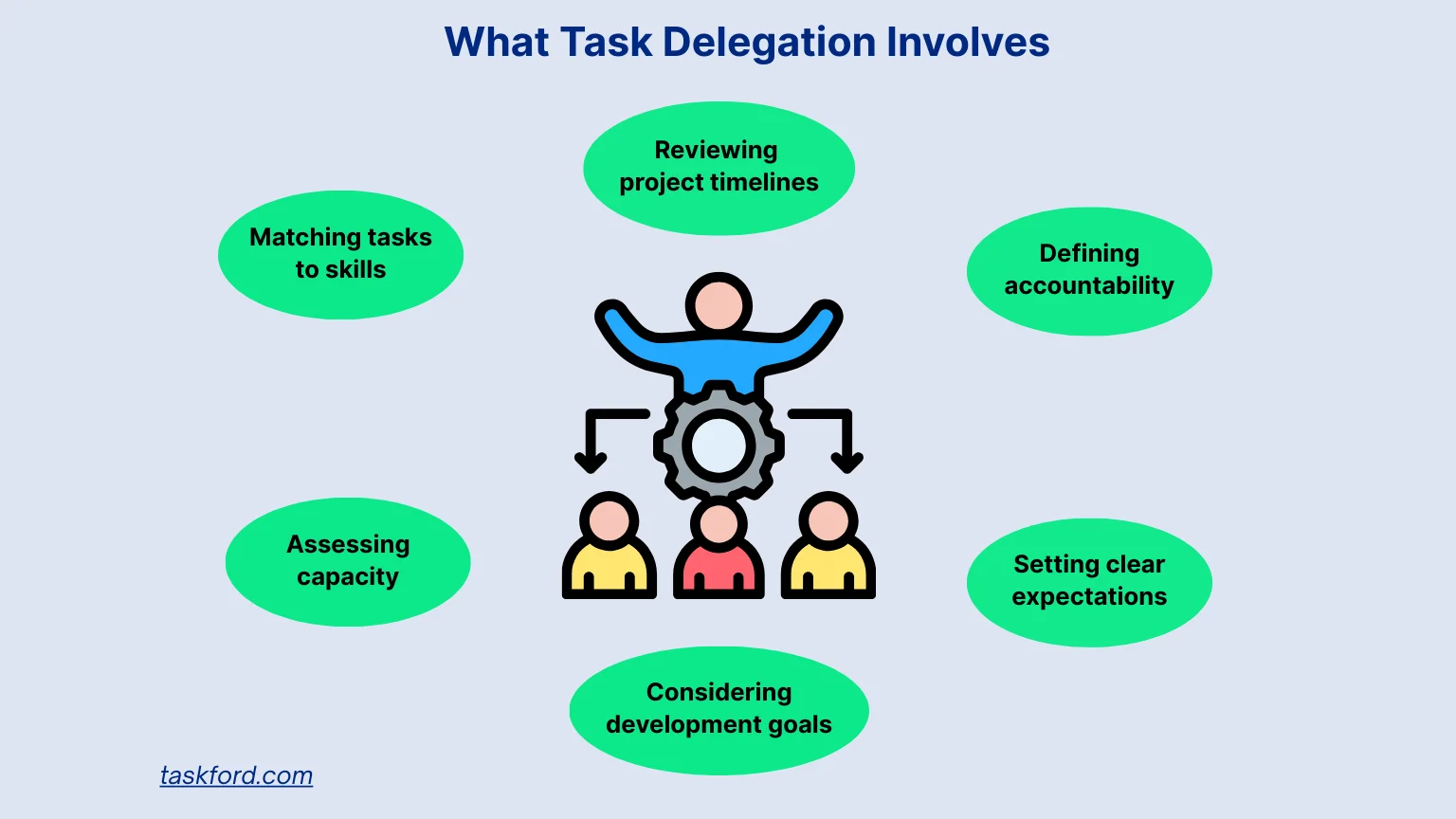
At its core, task delegation is the practice of assigning responsibilities, decision-making authority, and ownership of work items to team members. Leaders do this to improve productivity, distribute workload, develop skills, and maintain healthy project momentum.
A good delegation process usually involves:
- Matching tasks to skills
- Assessing capacity and workload distribution
- Considering development goals
- Reviewing project timelines
- Setting clear expectations
- Defining accountability
Most leaders do this intuitively. You probably run through your mental checklist quickly. You consider deadlines, strengths, previous performance, and resource availability. You also think about the bigger picture of project planning and the flow of upcoming work in your task management system.
In your mind, the process makes sense.
But here is where things get complicated.
What Fairness Actually Means To Your Team
Fairness inside a team is a multi dimensional experience. When people decide whether delegation feels fair, they evaluate how work is distributed, how the decision was made, and how the assignment was communicated.
1. Distributive Fairness
Distributive fairness refers to how evenly tasks appear to be allocated across the team. This is not about perfect equality. It is about perceived balance. Team members naturally compare workloads, responsibilities, and project importance. When they notice patterns, they form conclusions.
Examples of distributive unfairness include:
- One person always receives time sensitive or high stress tasks
- The same high performer regularly carries the most complex work
- Others seem shielded from difficult assignments
- Someone is repeatedly assigned low skill or administrative tasks
- High visibility opportunities consistently go to the same people
Employees rarely say these thoughts aloud, but they track patterns. When the distribution feels lopsided, motivation and trust decline.
2. Procedural Fairness
Procedural fairness concerns the process behind your decisions. Team members want to trust that delegation follows a consistent method. Even when they do not agree with the outcome, they feel more at ease when they understand how and why decisions are made.
Procedural fairness improves when your team sees that:
- Similar situations are handled in similar ways
- Skills, workload capacity, and project priorities guide your decisions
- Assignments align with professional development goals
- Your reasoning is transparent and predictable
Procedural fairness breaks down when decisions appear random or influenced by hidden preferences. A lack of explanation makes people guess the reasons behind delegation, and guessing often leads to negative assumptions.
3. Interactional Fairness
Interactional fairness is the human side of delegation. It reflects how respectfully and clearly you communicate task assignments. This includes tone, timing, context, and whether the message feels thoughtful.
Interactional fairness increases when leaders:
- Provide brief reasoning behind an assignment
- Deliver tasks with clarity and empathy
- Ask questions that show awareness of workload
- Confirm understanding and offer support
Even the most logical task can feel unfair when it is assigned abruptly, with unclear expectations, or during a moment when the employee is visibly overwhelmed.
What Team Members Actually Experience During Task Delegation
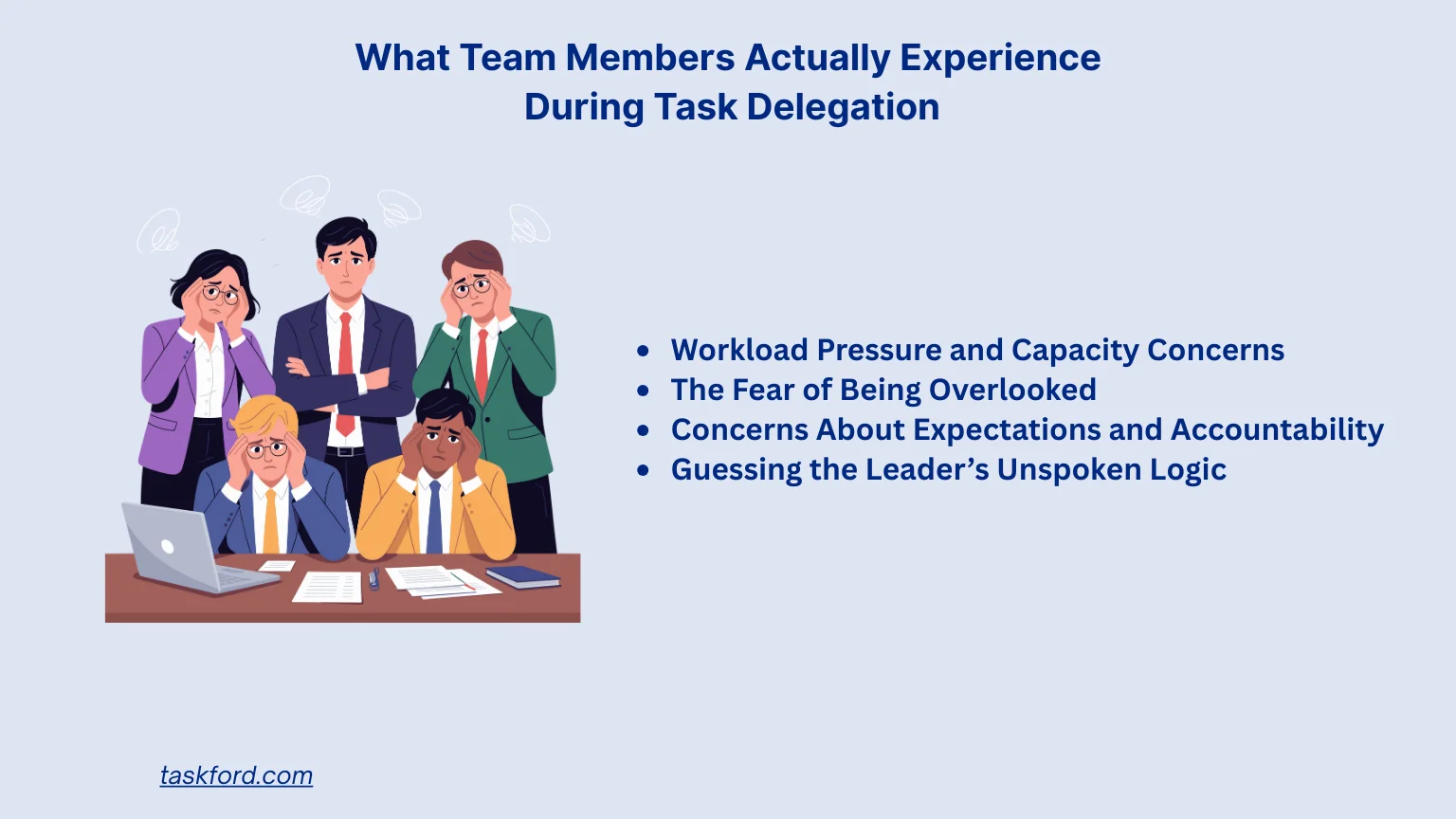
When a leader delegates work, they often think about timelines, outcomes, and the logistics happening inside their task scheduler or project board. Team members experience something entirely different. They are thinking about expectations, career growth, and how the assignment fits into their existing workload.
Here are the most common emotional and practical experiences employees navigate during delegation.
1. Workload Pressure and Capacity Concerns
Employees constantly assess their workload, and they compare it with others. Even if a team is universally busy, the perception of unequal pressure can create frustration. A team member might think:
- I already have several deadlines approaching
- I feel like I am always the one handling urgent issues
- My tasks are more complex than what others are managing
If these thoughts go unaddressed, even a simple assignment can feel unfair.
2. The Fear of Being Overlooked
Delegation is not just about work. It is also about opportunity. Employees want to grow, develop skills, and take part in meaningful work. When they repeatedly receive minor or repetitive tasks, they fear their potential is being overlooked.
This fear grows stronger when:
- High value tasks go to the same individuals
- Someone receives mostly administrative work
- Another person is never given a chance to lead anything
- A teammate feels stuck in a support role
Even if these patterns are unintentional, they strongly shape how fairness is interpreted.
3. Concerns About Expectations and Accountability
Employees also wonder what the assignment says about their performance. When delegation is unclear, it triggers anxiety.
Common thoughts include:
- Does this assignment mean I am not ready for more challenging work
- Am I being trusted less than others
- What does this say about my role in the team
When someone is uncertain about the intention behind the assignment, fairness becomes harder to evaluate.
4. Guessing the Leader’s Unspoken Logic
If a leader does not explain why a task is given to someone, the team fills the silence with assumptions. These assumptions might be entirely incorrect, but they influence how workers interpret the entire delegation process.
Employees may assume decisions are based on:
- Personal preference
- Convenience
- Hidden expectations
- Past mistakes
- Office politics
These assumptions create emotional friction even when the leader believes the delegation was straightforward.
The Traps Leaders Fall Into Without Realizing During Task Delegation
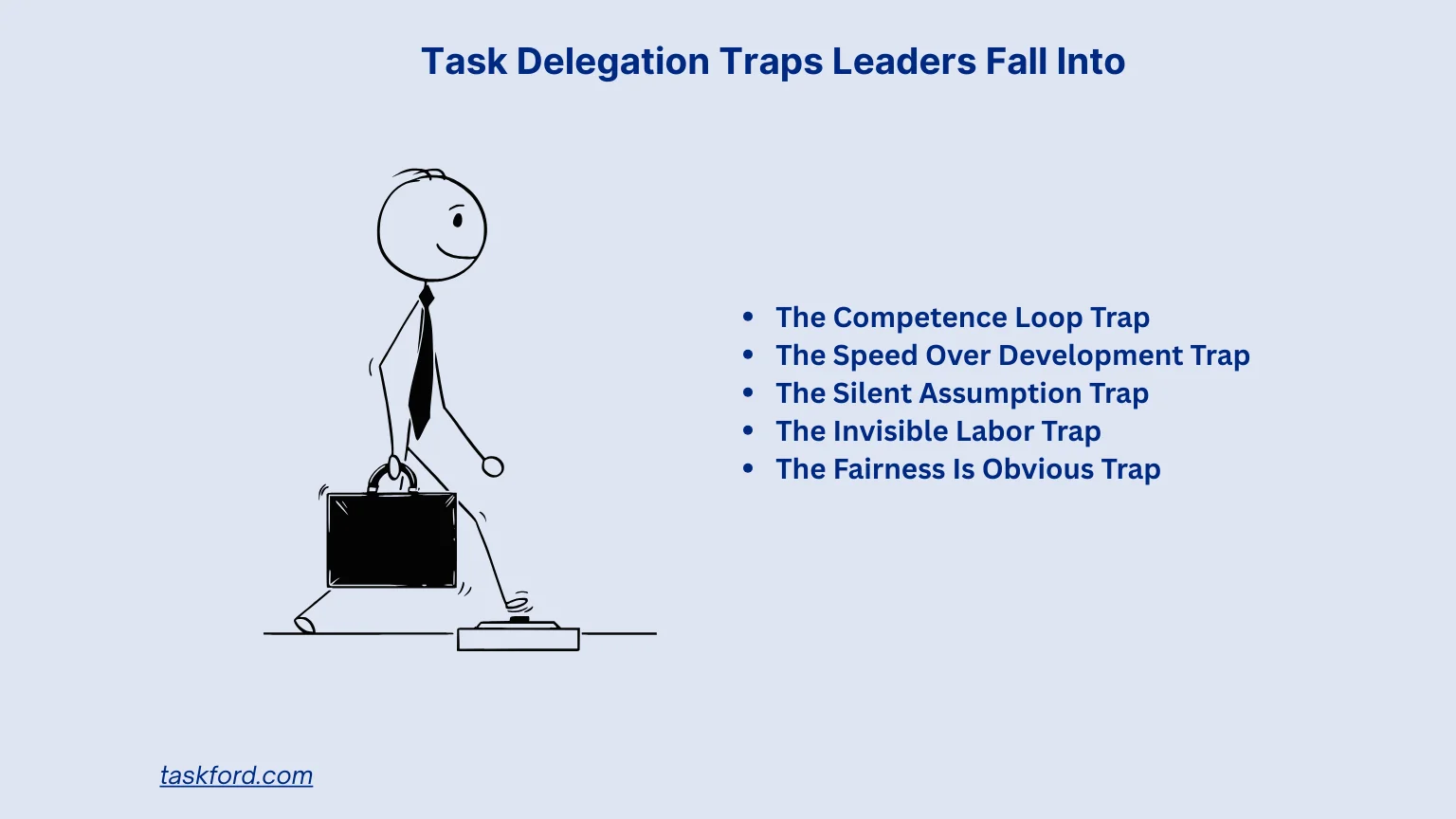
Many leaders believe they are delegating fairly because they consider workload, capability, and deadlines. Yet several subtle patterns often cause fairness issues even with the best intentions.
Below are the most common leadership traps, each explained fully.
1. The Competence Loop Trap
This trap occurs when leaders repeatedly assign important tasks to their highest performers. It feels logical. A capable person completes the work well, so they receive more work next time.
Over time, this creates two problems:
- High performers feel overburdened and burned out
- Others lose opportunities to develop new skills
The competence loop unintentionally widens the skill gap inside a team, making fairness harder to maintain.
2. The Speed Over Development Trap
When deadlines are tight, leaders might assign work to whoever can finish it fastest. This keeps projects moving, but it prevents slower or less experienced team members from growing.
This trap leads to:
- Uneven development opportunities
- A team that becomes overly dependent on a few fast workers
- Frustration from those who want to expand their capabilities
Small decisions made under time pressure accumulate into long lasting patterns.
3. The Silent Assumption Trap
Leaders often assume their reasoning is obvious. They forget that team members do not see the internal decision making happening in their heads.
This trap happens when:
- Leaders skip explanations
- Criteria remain unspoken
- Team members are left to interpret patterns on their own
Silence creates room for misinterpretation, even when the decision is completely reasonable.
4. The Invisible Labor Trap
Some tasks are necessary but not glamorous. These include scheduling meetings, updating documentation, coordinating with external partners, or preparing reports. Leaders often assign these to the same reliable person because they know the job will get done correctly.
This trap leads to:
- Hidden workload
- Resentment from the person carrying the invisible weight
- Less time for that person to work on high impact tasks
Invisible labor must be rotated intentionally to maintain fairness.
A hidden contributor to this trap is the lack of span of control analysis. When leaders do not periodically review how their overall task supervision is distributed across the team, invisible labor quietly concentrates on the same dependable person. The imbalance usually becomes visible only when that person is overwhelmed enough to speak up.
5. The Fairness Is Obvious Trap
Many leaders believe fairness is self evident. They assume that if they are being sincere and consistent, the team will naturally see that.
Unfortunately, fairness is not self evident. It is perceived. What feels fair to the leader may not feel fair to everyone else, especially when communication is brief or rushed.
The Hidden Task Delegation Trap: The Fairness Perception Gap
The core leadership trap is the gap between intention and perception. You may believe you are assigning tasks logically, but if the process is not visible, the team may interpret your actions differently. They evaluate fairness through their lived experience, not your internal reasoning.
This fairness perception gap can lead to:
- Quiet frustration
- Reduced motivation
- Decreased trust
- Uneven engagement
- Growing resentment
- Misinterpretation of leadership decisions
The gap does not close on its own. It requires deliberate communication, transparency, and better systems.
How To Close the Fairness Gap
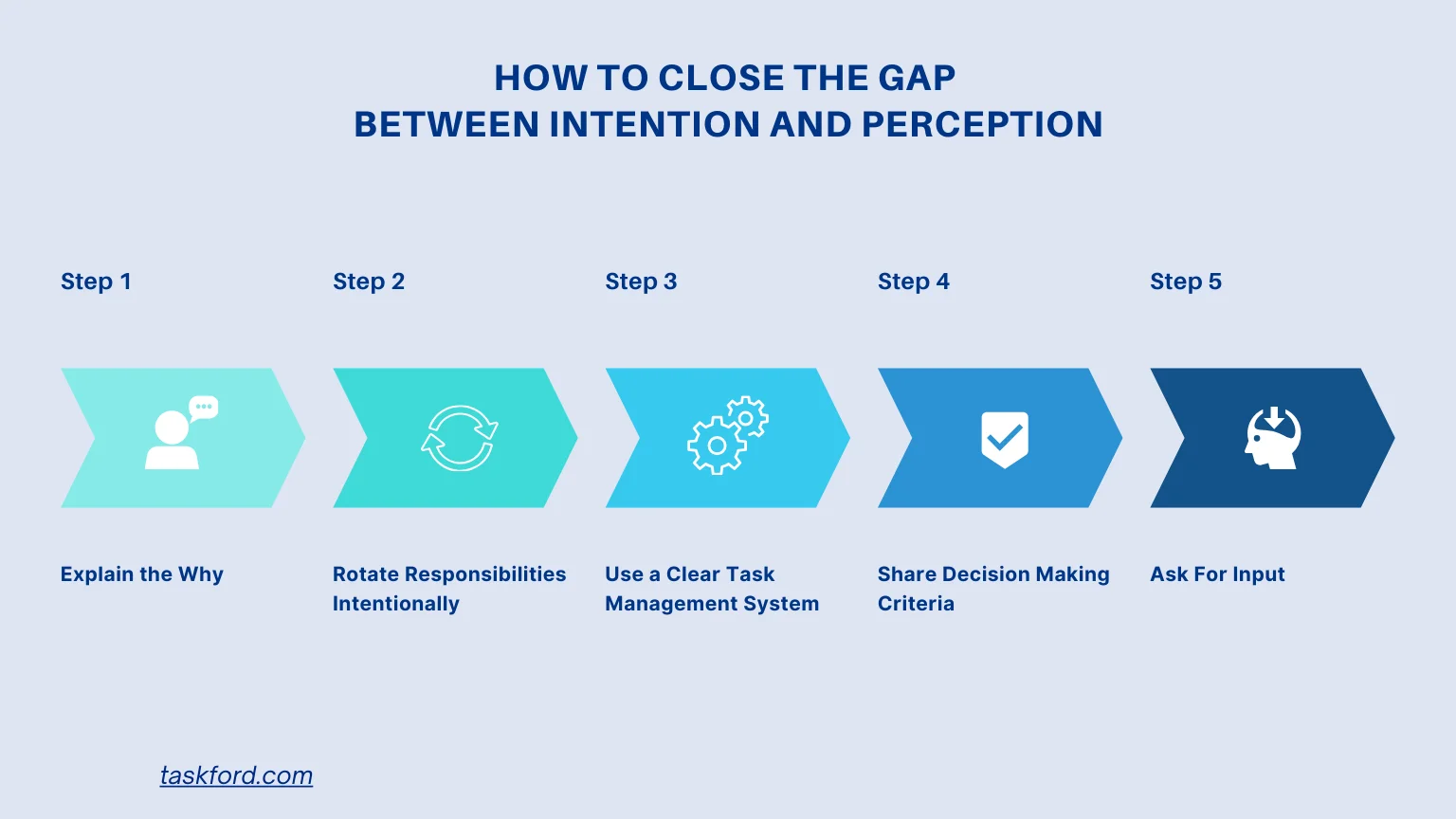
Below are practical steps that help ensure your task delegation feels as fair as you intend it to be.
1. Explain the Why
A simple explanation transforms how people interpret assignments. You do not need a long speech. A short sentence is often enough.
Examples:
- I am assigning this because it aligns with your development goals
- You handled a similar task well, and this expands that skill
- This task needs someone familiar with the client context
The goal is to make your reasoning visible.
2. Rotate Responsibilities Intentionally
Rotate tasks that are repetitive, administrative, or emotionally draining. Rotation keeps workload balanced and prevents anyone from feeling stuck.
Examples include:
- Meeting preparation
- Documentation
- Client follow ups
- Coordination tasks
Rotation supports fairness and equal exposure to different responsibilities.
3. Use a Clear Task Management System
A transparent task management tool helps everyone see workloads, responsibilities, and timelines. It removes ambiguity and reduces the chance of accidental overload.
A good system includes:
- A shared task scheduler
- Clear ownership of every task
- Visibility of deadlines
- Workload management across the team
When your process is visible, fairness becomes easier to understand.
4. Share Decision Making Criteria
You do not need to share every detail, but your team should know what you consider when delegating. This builds trust and removes guesswork.
Criteria might include:
- Experience
- Development goals
- Current workload
- Project priority
- Client needs
Once your team understands your criteria, delegation feels more predictable.
5. Ask For Input
Delegation should not be a one way interaction. Asking for input improves engagement and uncovers issues you might not see.
Questions to ask include:
- Do you have capacity for this at the moment
- Would you like to take on something more challenging
- How does this assignment fit with your current priorities
These questions communicate respect and awareness.
How TaskFord Makes Task Delegation Fairer and More Organized
Even with strong communication, leaders still struggle with balanced workload distribution and transparent task assignment. TaskFord, an integrated work delivery platform, helps solve this by giving teams a clear, shared system for task delegation, task management, and planning. When everyone can see how work is assigned and why, fairness becomes easier to maintain.
Here is how TaskFord supports better delegation:
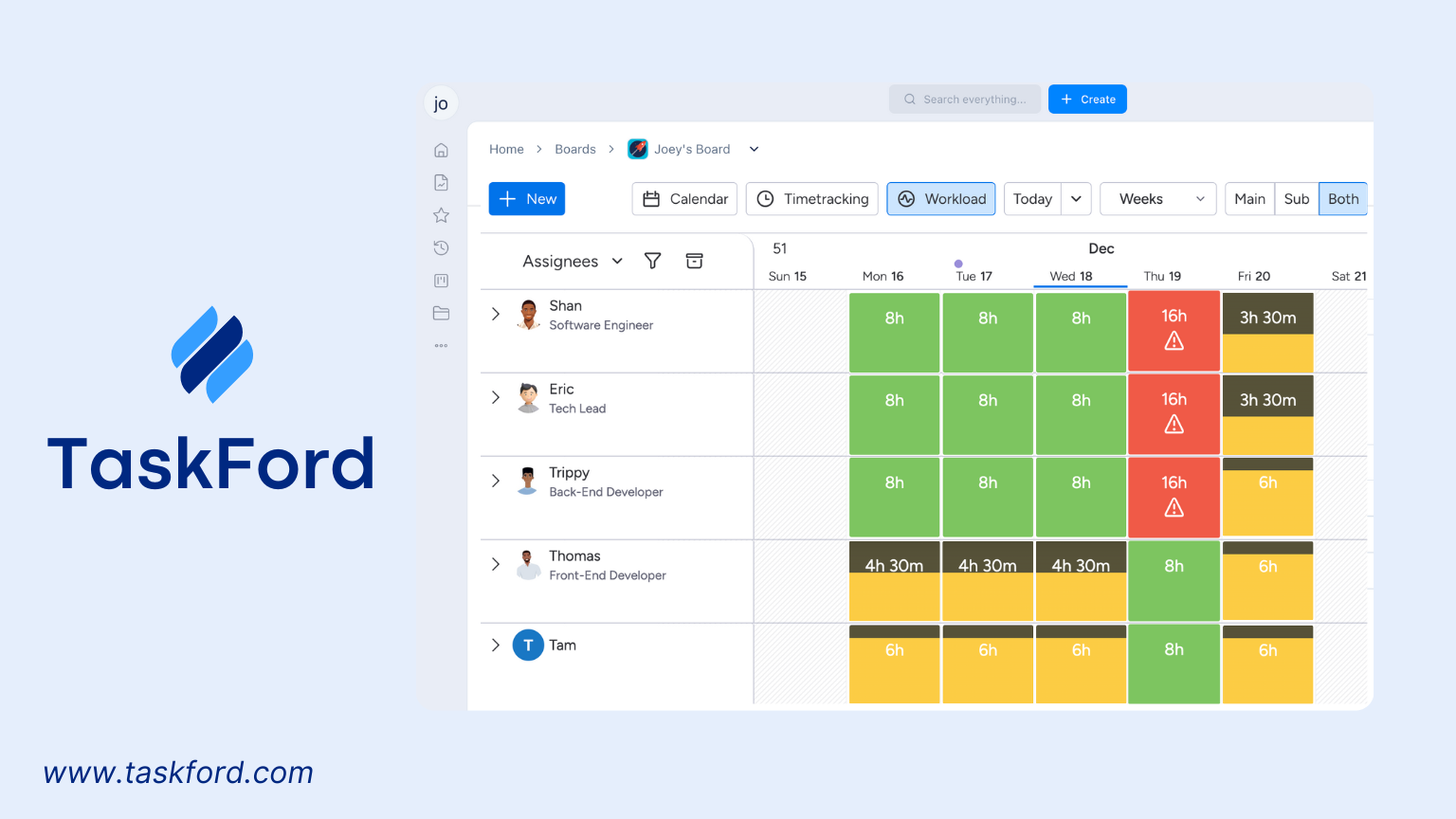
- Shows real workload visibility so you can clearly see who is overloaded, who has capacity, and how tasks are spread across the team.
- Tracks assignment history that helps you avoid repeating the same delegation patterns with the same people.
- Works as a structured task scheduler that encourages you to assign tasks with defined priorities, deadlines, and context.
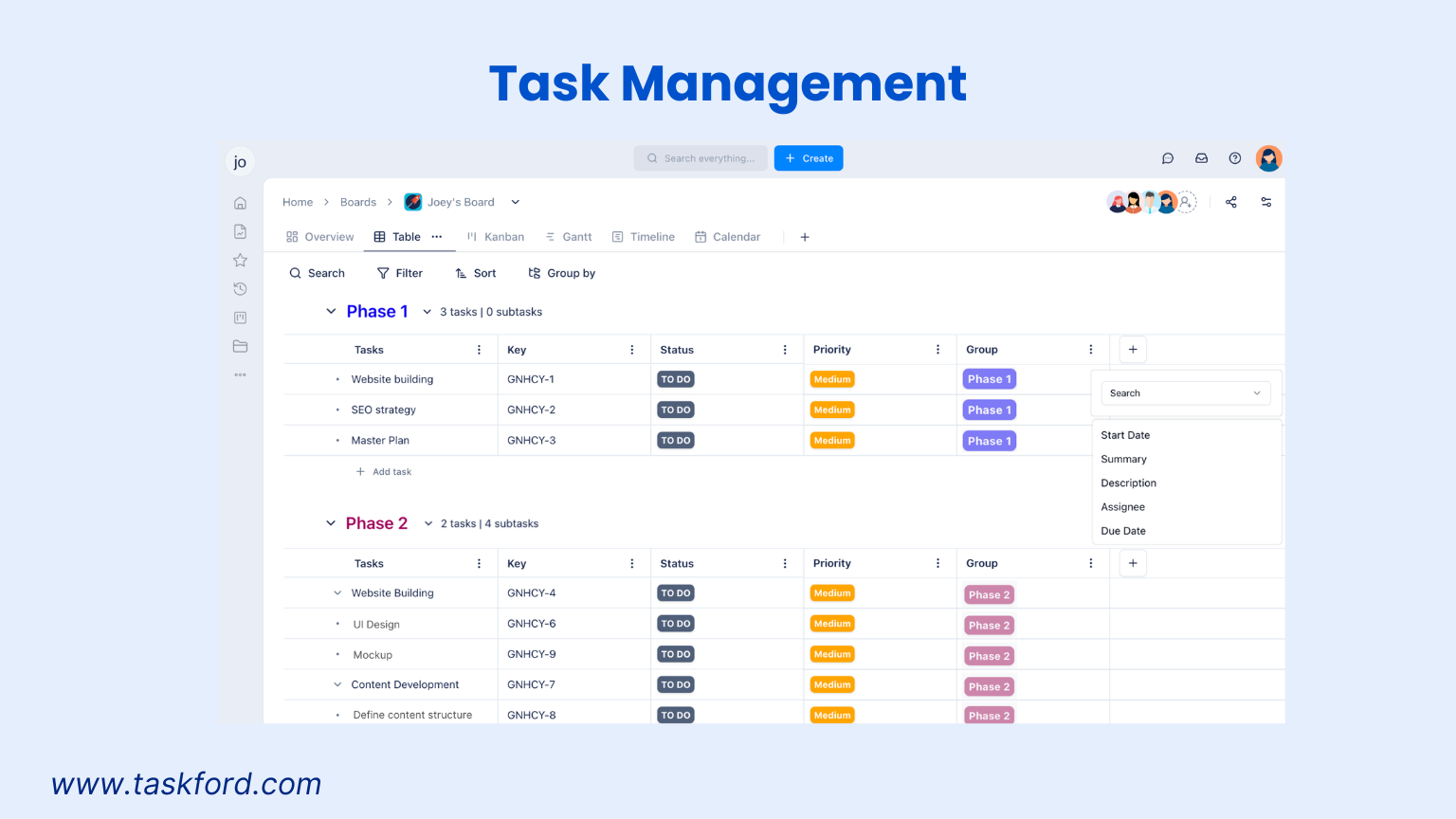
- Creates transparent communication because every assignment includes instructions, comments, and visible updates.
- Supports skill development planning by helping you rotate assignments intentionally instead of relying on memory.
- Improves team accountability through shared dashboards and progress tracking with Gantt chart that reduces confusion and assumptions.
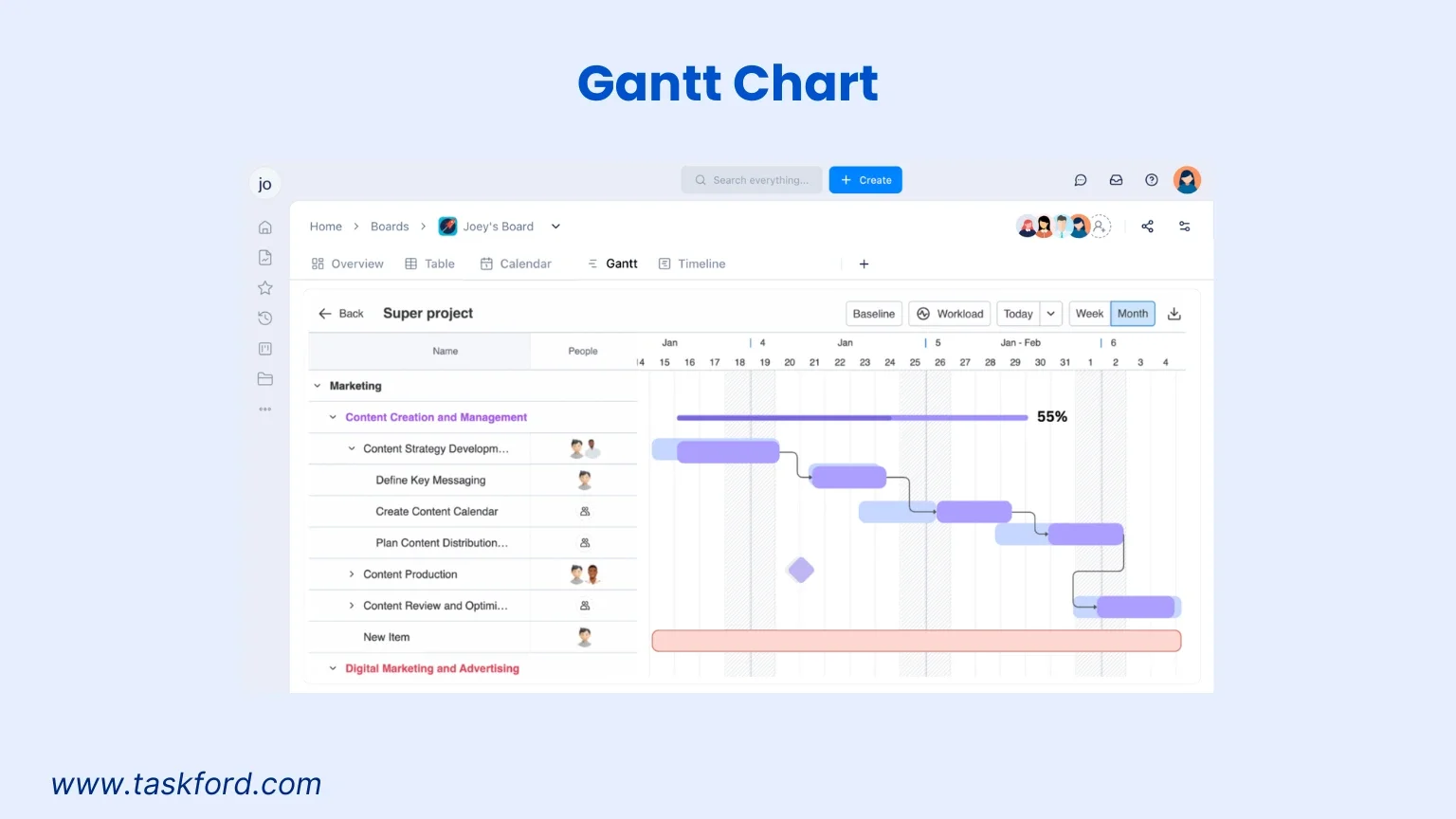
TaskFord keeps delegation clear, predictable, and transparent, which helps your team feel that task distribution is truly fair.
Conclusion
Task delegation will always be a core part of leadership, but fairness will always depend on perception. Even when leaders distribute work thoughtfully, silent patterns, hidden assumptions, and rushed communication can create the feeling of imbalance. The good news is that fairness is not a mystery. It becomes visible when leaders explain their reasoning, rotate responsibilities intentionally, use transparent task management systems, and create space for open conversation.
The goal is not perfect equality. The goal is clarity, consistency, and trust. When fairness becomes part of your leadership practice, your team feels valued, opportunities are distributed evenly, and the delegation process strengthens rather than strains your team culture.
Subscribe for Expert Tips
Unlock expert insights and stay ahead with TaskFord. Sign up now to receive valuable tips, strategies, and updates directly in your inbox.