Project Initiation: How to Start Your Project on the Right Foot?
Explore essential steps of project initiation, how to avoid common mistakes, establish a solid foundation, and ensure that your project gets off to a smooth start.
Starting a project on the right foot is crucial for its success. Whether you’re managing a small team or leading a large-scale initiative, the project initiation phase lays the groundwork for everything that follows. It’s the first step in project management and sets the tone for the entire project, from defining clear goals to aligning stakeholders and managing potential risks.
In this article, we’ll walk you through the essential steps of project initiation, showing you how to avoid common mistakes, establish a solid foundation, and ensure that your project gets off to a smooth start. From creating a project charter to identifying key stakeholders, we’ll explore the best practices that help make sure your project is set up for success right from the beginning.
What is Project Initiation?
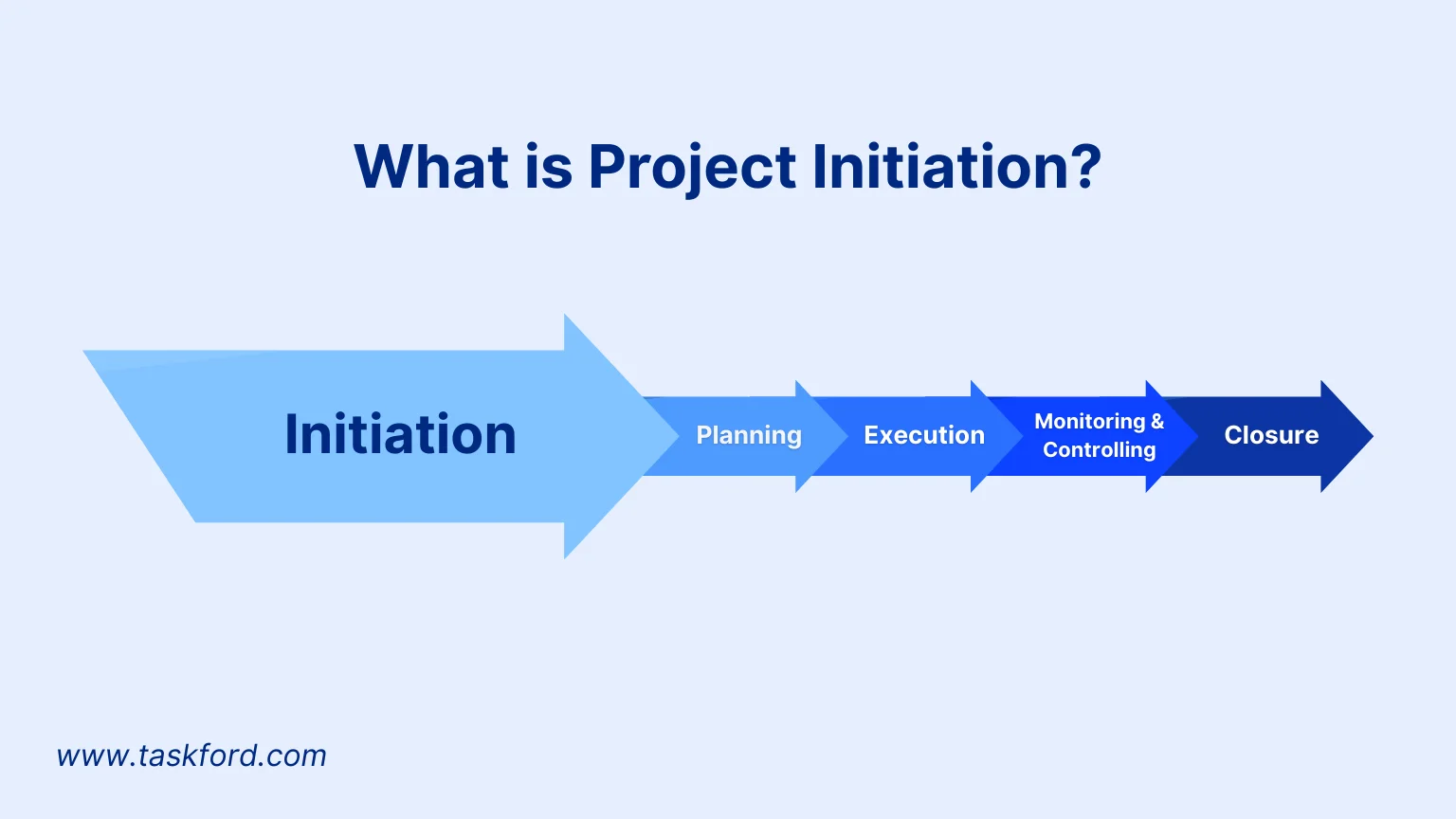
Project initiation is the first phase in the project lifecycle, where the groundwork for the entire project is laid. During this phase, the project’s objectives, scope, and stakeholders are defined, setting the direction for all subsequent activities. It’s a crucial starting point that ensures the project aligns with organizational goals and that there is a clear understanding of what the project aims to achieve.
The project initiation phase typically involves the creation of foundational documents, such as the project charter, which serves as an official statement that outlines the project’s goals, deliverables, and resources. At this stage, teams also identify key stakeholders and establish the project’s scope and objectives. Simply put, project initiation is about defining the “why” and “how” of the project before any actual work begins.
Why Proper Project Initiation Matters?
Proper project initiation is essential for ensuring that your project runs smoothly and meets its goals. It establishes the project’s direction, ensures alignment among team members and stakeholders, and helps to clarify expectations from the outset. When you take the time to properly define the project’s goals, scope, and timelines during the initiation phase, you lay the foundation for a well-executed project that is more likely to be completed on time and within budget.
Without proper initiation, projects can quickly veer off course, leading to confusion, miscommunication, and delays. In fact, according to studies, poor project initiation is one of the leading causes of project failure. For instance, a 2011 study (The Association between Project Success and Project Initiation Phase) found a significant positive relationship between a robust project initiation phase and project success. If the project’s objectives are not clearly defined or if stakeholder expectations are not aligned early on, it can lead to scope creep, missed deadlines, and resource mismanagement.
Risks of Poor Project Initiation
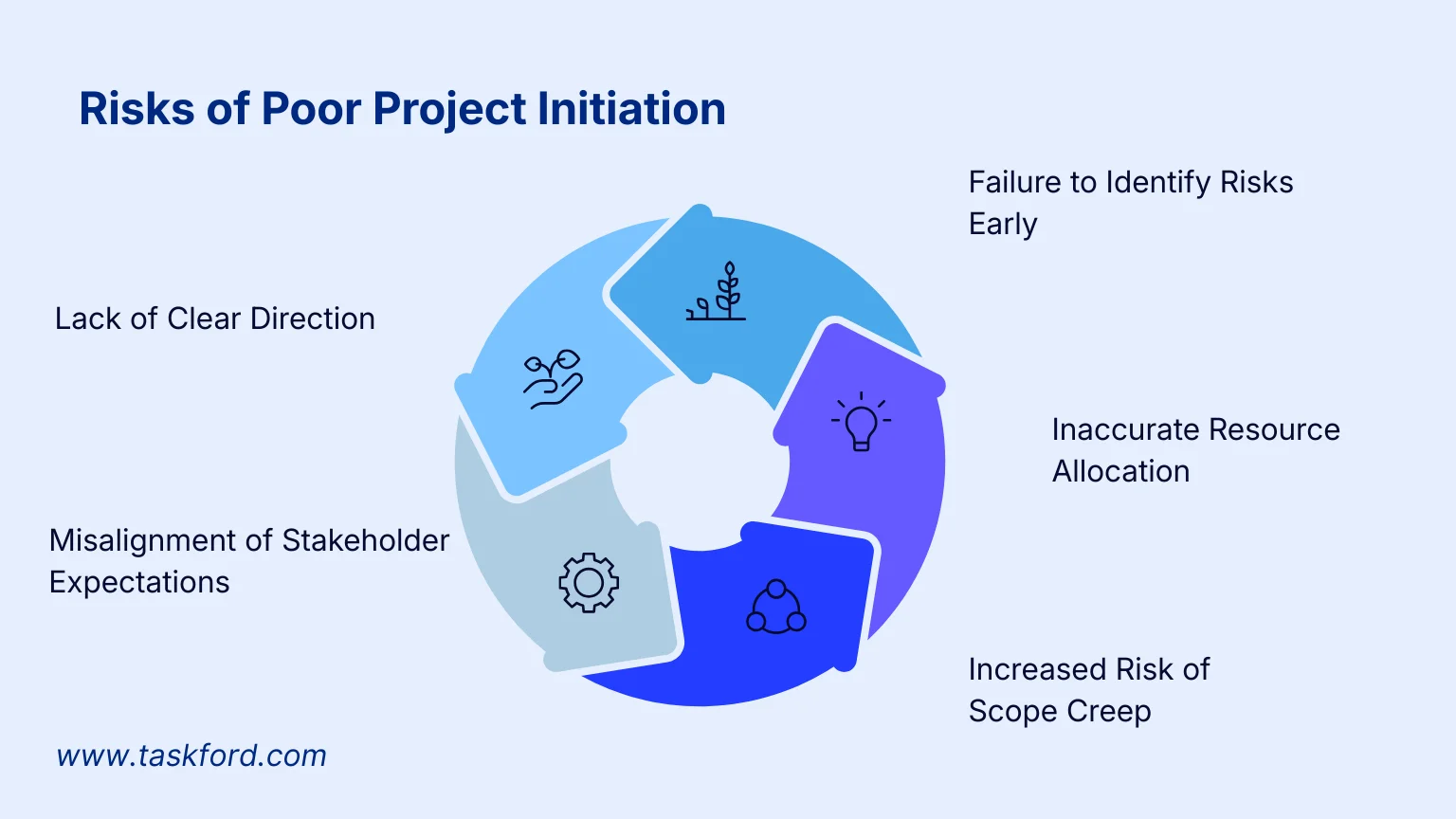
- Lack of Clear Direction: Without a solid project initiation phase, the project team may lack a clear understanding of the project’s objectives. This can result in inefficient work processes and wasted resources.
- Misalignment of Stakeholder Expectations: If stakeholder roles and expectations aren’t clearly defined in the beginning, misunderstandings can occur, leading to dissatisfaction, scope changes, or even project abandonment.
- Increased Risk of Scope Creep: One of the key dangers of inadequate initiation is the absence of a well-defined scope. Without clear boundaries, the project can face scope creep, where unplanned changes and additional tasks are added without proper controls, jeopardizing the project’s timeline and budget.
- Inaccurate Resource Allocation: Without proper initiation, it’s easy to misallocate resources, either overcommitting them or underutilizing them. This can create delays, budget overruns, and affect the quality of deliverables.
- Failure to Identify Risks Early: If risks are not assessed early during the initiation phase, the project may face unforeseen challenges down the road. Identifying and mitigating potential risks early helps avoid disruptions and ensures smoother project execution.
5 Steps to Start Your Project Initiation on the Right Foot
Successfully initiating a project is essential to ensuring that your project stays on track, meets its objectives, and delivers results on time and within budget. In this section, we’ll break down the key steps of the project initiation process, from defining clear goals to assessing risks, so you can start your project on the right foot.
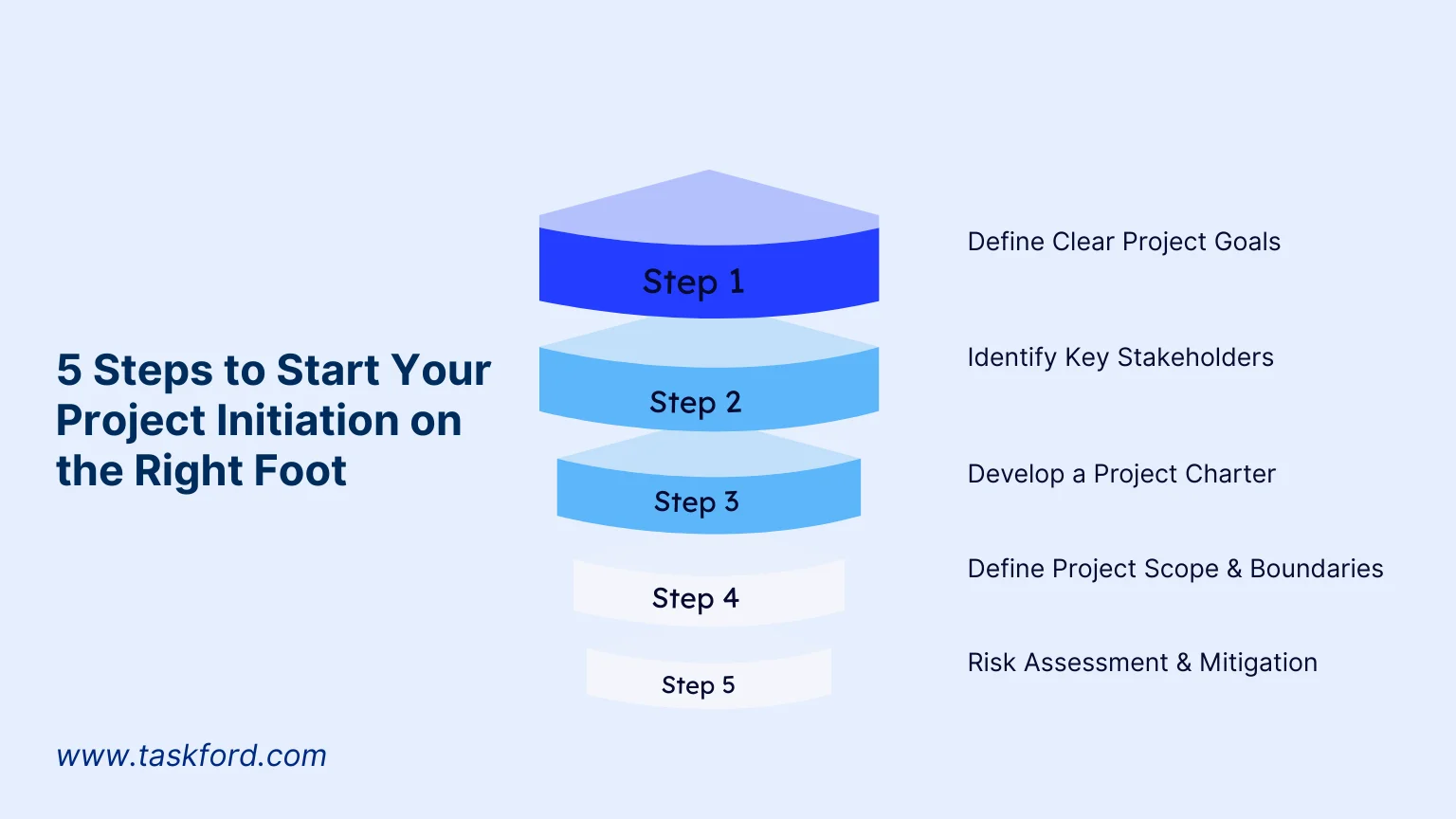
Step 1 – Define Clear Project Goals
The first and most important step in project initiation is to define clear, SMART goals for your project. SMART stands for Specific, Measurable, Achievable, Relevant, and Time-bound, which means that your project goals should be well-defined, realistic, and aligned with both organisational objectives and stakeholder expectations.
- Specific: Make sure the goal is well-defined. Instead of saying “increase sales,” say “increase sales by 10% in the next quarter.”
- Measurable: Ensure that you can track progress. Define how success will be measured.
- Achievable: Set a goal that can realistically be accomplished with the available resources.
- Relevant: Ensure the goal aligns with broader business objectives.
- Time-bound: Set a clear deadline for completion.
By defining these clear project goals upfront, you create a framework that guides the entire project team. Aligning both the team and stakeholders with the project goals ensures that everyone is on the same page and working toward the same outcomes, minimising miscommunication and confusion later in the project.
Step 2 – Identify Key Stakeholders
Stakeholders are individuals or groups that have an interest in the project and can influence its outcome. Identifying key stakeholders early in the project initiation phase is crucial for ensuring that all parties have a shared understanding of the project’s goals, timelines, and deliverables.
The Role of Stakeholders: Stakeholders play a critical role in shaping the project’s direction. They can be project sponsors, customers, team members, or anyone who is directly or indirectly affected by the project. Their expectations, concerns, and input must be addressed early to avoid conflicts and ensure smooth project execution.
Techniques for Identifying and Engaging Stakeholders:
- Conduct stakeholder mapping to identify who the stakeholders are and assess their influence on the project.
- Engage stakeholders early by conducting interviews or surveys to understand their expectations and concerns.
- Regularly communicate project updates to stakeholders to maintain alignment throughout the project lifecycle.
Ensuring that stakeholders are actively engaged during project initiation can prevent scope changes, misaligned expectations, and ensure project buy-in from all involved parties.
Step 3 – Develop a Project Charter
A project charter is one of the most important documents created during the initiation phase. It acts as the formal agreement that defines the project, its goals, stakeholders, and the overall scope.
Key Components of a Project Charter:
- Project objectives: What is the project aiming to achieve?
- Scope and deliverables: What will be delivered, and what is outside the scope?
- Project stakeholders: Who is involved in the project?
- Timeline and milestones: What are the key dates and deliverable deadlines?
- Resources and budget: What resources are allocated to the project, and what is the budget?
Why a Project Charter is Essential for Success: The project charter provides a clear and concise overview of the project and serves as the official document that outlines the project’s direction. It ensures alignment across all team members and stakeholders and acts as a reference point for decision-making throughout the project.
Without a project charter, the project can lose direction, leading to confusion, misaligned expectations, and scope creep.
Step 4 – Define Project Scope and Boundaries
A key element of the project initiation phase is defining the project scope, the boundaries of the project, including what is in scope and what is out of scope. Establishing these boundaries from the start helps avoid scope creep, a common challenge in project management where additional tasks and requirements are added without proper control.
How to Prevent Scope Creep:
- Clearly define deliverables and project objectives in the project charter.
- Set realistic expectations with stakeholders about what will be delivered.
- Implement a formal change management process to handle any scope changes that may arise.
Setting Clear Boundaries and Deliverables:
- Identify the specific goals and outcomes of the project.
- Document and agree on the deliverables with all stakeholders.
- Regularly refer to the defined scope during the project to ensure focus and avoid deviation from the original plan.
By having a well-defined scope, the project team will be better equipped to stay on track and prevent unnecessary expansions that could derail the project.
Step 5 – Risk Assessment and Mitigation
The project initiation phase is also the ideal time to conduct a risk assessment. Identifying potential risks early allows the project team to develop strategies to mitigate or manage those risks throughout the project.
Identifying Potential Risks at the Start of the Project: Risks could be internal (e.g., resource limitations, technical challenges) or external (e.g., regulatory changes, market fluctuations). Identifying them early helps to prepare for uncertainties.
Strategies to Mitigate Risks Early On:
- Create a risk management plan that outlines how identified risks will be monitored and mitigated.
- Develop contingency plans for high-priority risks.
- Regularly review the risk management plan during the project’s execution to ensure that risks are being effectively managed.
Early risk assessment and mitigation allow the project team to proactively address potential challenges and ensure that the project remains on track despite unforeseen obstacles.
Conclusion
The project initiation phase is key to setting your project up for success. By defining clear goals, identifying stakeholders, developing a project charter, and assessing risks early, you create a strong foundation for the entire project. A well-executed initiation ensures alignment and minimises risks, helping your project stay on track and deliver results.
By following these steps, you can confidently start your project on the right foot and increase your chances of success.
Subscribe for Expert Tips
Unlock expert insights and stay ahead with TaskFord. Sign up now to receive valuable tips, strategies, and updates directly in your inbox.